
Patient Education
Live Better
At Westside Dermatology, we know that making informed decisions about your skin health can feel overwhelming. There’s so much information to sort through—and it’s not always easy to know what’s accurate or what applies to your specific situation. That’s why we’re here to guide you every step of the way. Our goal is to take the stress, confusion, and uncertainty out of the process by providing clear, trusted information and comprehensive dermatology care, all in one place.
We believe great care starts with listening. Our board-certified dermatologists begin every visit by understanding your concerns, your questions, and your perspective. From there, we offer expert evaluations and any necessary diagnostic testing, so we can create a treatment plan that works for you—based on the latest science and delivered with genuine compassion.
Whether you’re dealing with acne, rosacea, eczema, a new or changing mole, or something more complex like skin cancer, we want you to feel confident and well-informed about your condition and your options. We care for patients of all ages and skin types, using the most up-to-date treatment methods and technologies to ensure safe, effective results.
We’re proud to be a resource for our patients beyond the exam room, too. Our team is always happy to answer your questions and explain your diagnosis and treatment in plain, understandable terms. Because at Westside Dermatology, patient education is just as important as treatment—and we believe you deserve both.

Top Ideas to Make Your National Skin Care Awareness Month Even Better
November is National Skincare Awareness Month! Throughout the year, our skin and bodies are exposed to all kinds of dirt, stress, and weather that, if we’re not careful, can lead to premature aging...

Top Tips for Managing Oily Skin Year-Round
How to Manage Oily Skin Oily Skin Type For those of us whose skin is on the oilier side, it can be an extra challenge to wash regularly without over-drying and to keep acne under control. Knowing...

Best Vitamins for the Skin
Feed Your Skin The foods we eat contain vitamins, minerals, and proteins that build our bodies and keep them moving. Naturally, what we eat shows up in different ways on the skin. When we get enough...

How to Get Clear Skin This Fall
When cooler months approach, our whole routines shift with the temperatures. Changes in the environment outdoors, as well as spending more time indoors, bring changes in what we’re exposed to...
Is My Skin Right for a Chemical Peel?
A chemical peel can be a great way to give your skin a refresher, but it can also be an important anti-aging strategy to maintain your skin over the long term. Not only good for general exfoliation,...
Best Facials for Busy People
What to Know About Facials When Busy Balancing Life and Skincare It can be difficult to find a moment to make an extra effort on top of our normal skincare routine, which has been streamlined into...

What Does Cruelty-Free Skincare Mean?
What to Know About Cruelty-Free Skin Care Products for Human Skin As the science of skincare continues to innovate, it has supported a move away from testing on animals, with new ways of analyzing...

What Does Water Really Do for the Skin?
What to Know About Water and Your Skin Water and Your Skin Our bodies are between 55 and 60 percent water, and every cell, tissue, and organ needs a regular supply of water to function properly....
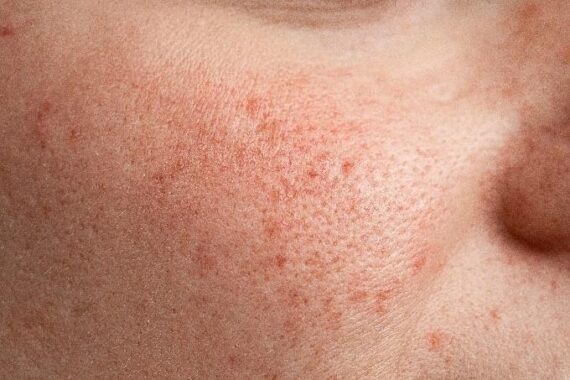
What to Do About Enlarged Pores
Many of us want our skin to look smooth from a distance, but sometimes the pores on our face are too visible for our own comfort. This is totally normal, and even though it’s not ideal, sometimes...

When Should I Have a Skin Tag Removed?
What to Know About Skin Tags Skin Tags More likely than not, you’ve experienced a skin tag in your lifetime. These are small, solid growths on the skin that look and feel like a small stalk or tab...

Acne as a Teen? Here’s How to Fix Your Adult Skin
What to Know About Treating Adult Skin Adult Skin and Acne People can still be affected by acne on their face or bodies into adulthood, either due to scars left over or ongoing acne that never...
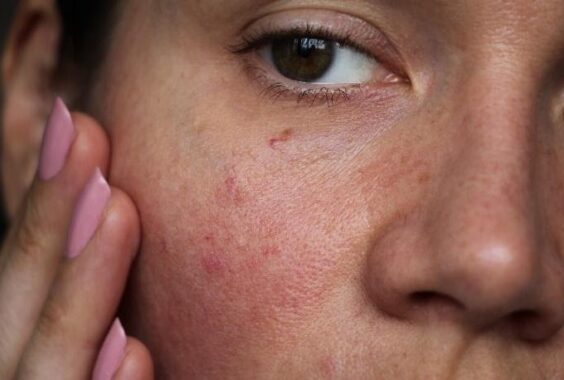
Top 3 Ways Platelet-Rich Plasma Treatments Can Change Your Life
Benefits of Platelet-Rich Plasma Treatment Treating Skin Conditions Platelet-rich plasma treatments are a tailored option to treat certain skin conditions in a personal way. This treatment uses your...

Tips for Your Eczema as We Move into Winter
When temperatures start to drop, the cold air brings conditions that can irritate your skin. If you have eczema, these factors may provoke a flare-up. With some patience, you can take some easy...

How to Handle Hyperhidrosis in the Fall
What to Know About Handling Hyperhidrosis Hyperhidrosis in the Fall In autumn, some of our daily lifestyle changes like wearing more clothes or staying inside and turning up the heat can cause us to...

Is It Safe to Treat Vitiligo in the Winter?
What to Know About Treating Vitiligo Vitiligo in Winter Colder temperatures mean dry air and warm interiors, and our skin needs a little extra care to stay moisturized. For people with vitiligo,...

How to Celebrate Healthy Skin this National Healthy Skin Month
National Healthy Skin Month This November, celebrate National Healthy Skin Month by giving a little extra attention to your body’s largest organ. Much about the condition of our epidermis is the...

Can Holiday Stress Really Change My Skin?
How the Holidays Impact Your Skin Holiday Stress Plans with friends and family, special holiday events, and extra time shopping and cooking on top of your normal schedule can leave you worn out...

How Often Should You Be Seen for Skin Cancer Prevention?
What to Know About Skin Cancer Prevention Monitoring Your Skin for Signs of Damage When the sun is shining, even cool temperatures are bearable to spend time outside and enjoy a beautiful day. It’s...

How to Enjoy Winter Sports and Help Your Skin
What to Know About Winter Sports and Your Skin Winter Sports While most outdoor activities move indoors during the winter, some sports thrive during the cold and snowy season. Football, skiing,...
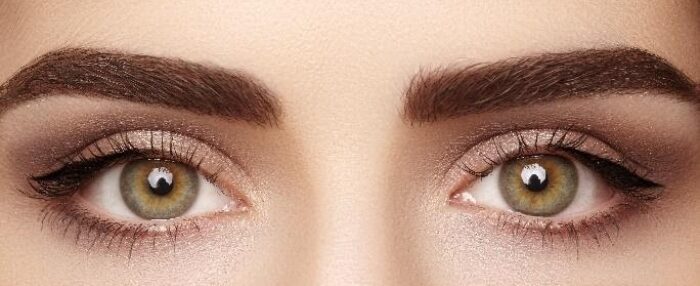
Look Radiant in Holiday Pictures with Latisse
What to Know About Using Latisse Have Confidence in Your Eyes This Holiday Season With all of the pictures we take during the holiday season, you want to look your best for the moment to be captured...

Don’t Have Sweat Stains in Your Holiday Pictures. Get a Hyperhidrosis Treatment
What to Know About Excessive Sweating in the Holidays Keeping Cool in the Winter When you have hyperhidrosis, the thought of taking photos can be stressful. Not being sure if you can hide your...

Why Eye Cream Is Essential
What to Know About Using Eye Cream The Skin Around Your Eyes Using an eye cream in addition to your regular face moisturizer might seem like an extra step, but a dedicated product can help prevent...

How to Know What Causes Your Acne Year-Round
What to Know About Acne Know Your Skin If you suffer from acne, you know that some causes may be tied to seasonal situations, yet most causes can prompt a breakout at any time of the year. Having an...

How to Reduce Pigmented Spots on Your Skin
What to Know About Pigmented Skin Skin Discoloration Some people consider freckles and moles to be beauty marks, but others would rather hide them. Some spots can be covered with makeup, but if you...
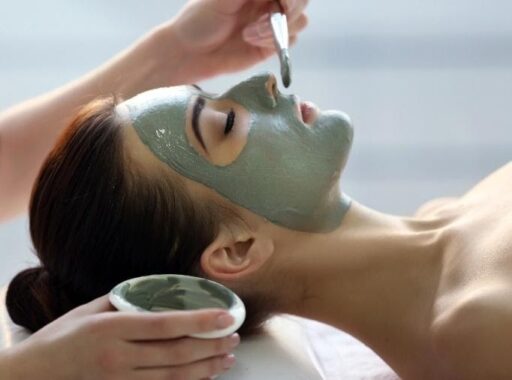
Best Facials for the Wintertime
Best Skin Treatments for Winter Winter Skincare The colder months can be challenging for your skin, so consider the different kinds of facials you can get this winter to add a layer of support on...
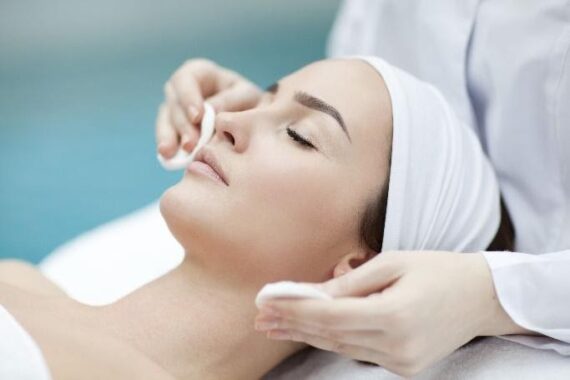
Best Winter Skin Treatments to Try in 2022
Skin Treatments for 2022 Winter Skin Treatments A new year brings a fresh start, but it happens right in the middle of the coldest months. Cold temperatures and dry air are a challenge for our skin,...
What to Know Before a Dermaplaning Treatment: A Closer Look
Is your skin looking dull and uneven? Are you noticing new fine lines or wrinkles appearing? It might be time to consider dermaplaning. Dermaplaning treatment has been growing in popularity as more...
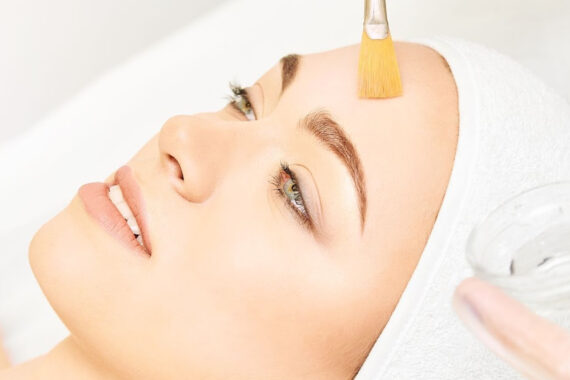
Is a Chemical Peel Safe for Sensitive Skin?
The name “chemical peel” isn't one that conjures up the most pleasant of images. If you have sensitive skin, you may have concerns that a chemical peel may not be right for you. The good news is...

What Are the Most Frequently Asked Questions About Skin Care?
During the COVID-19 pandemic, there's been a skincare revolution. As a matter of fact, the skincare industry is worth over 148 billion dollars. More and more people have become invested in skincare...

How Will a Dermatologist Help with My Acne Problem?
The vast majority of people will experience acne, and it's not exclusive to younger people. In some cases, acne can affect people as late as their 40s or 50s. It's an extremely common condition, but...
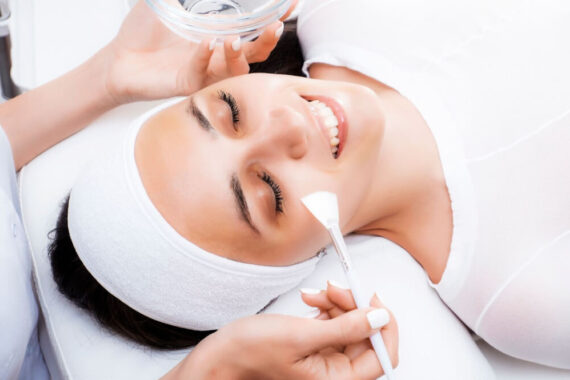
Chemical Peels: Can Chemical Peels Make Acne Scars Worse?
Acne is a common skin condition. Around 50 million Americans develop acne every year. A small percentage of those individuals will develop acne scars. You may have heard that a chemical peel can...
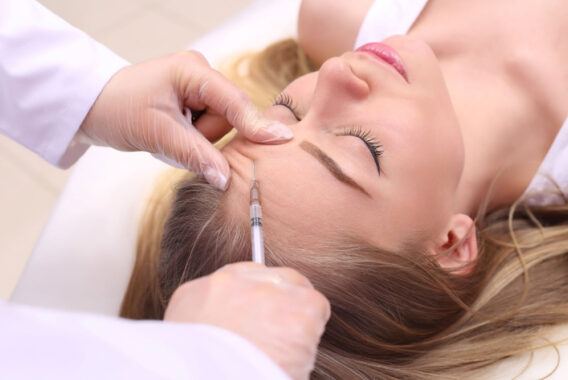
How Can I Reduce Wrinkles on My Face Using Botox?
Aging is an inevitable process, but sometimes, it starts before you're ready. Facial wrinkles from sun exposure, facial movement, and weight change can begin to appear as early as your late teens or...
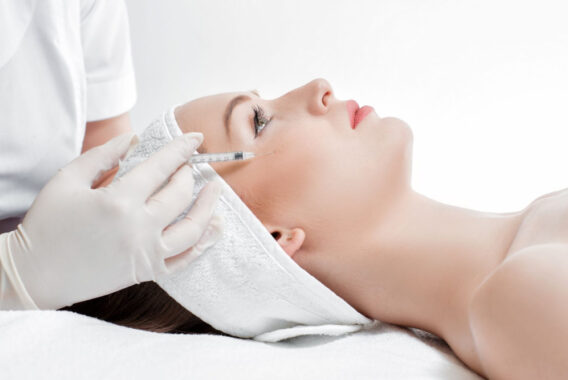
Which Is Better: Botox or Dermal Fillers?
Do you want to face the world with a more youthful appearance? For most people, signs of aging begin around the age of 25. Barely noticeable facial lines eventually turn into wrinkles, and the face...

What Are Some Dermatological Cures for Hives?
If you're plagued by frequent hives and you don't know what to do about them, it's absolutely maddening. Fortunately, we have many dermatological solutions to this problem listed below. A lot of...
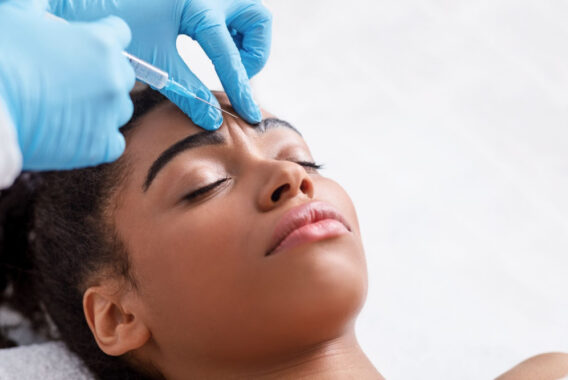
What Are the Differences Between Botox and Dysport?
Wrinkles may be a natural part of life and aging, but that doesn’t mean that we have to give way to them right from when they first appear in our lives. For millions of people, fighting back...
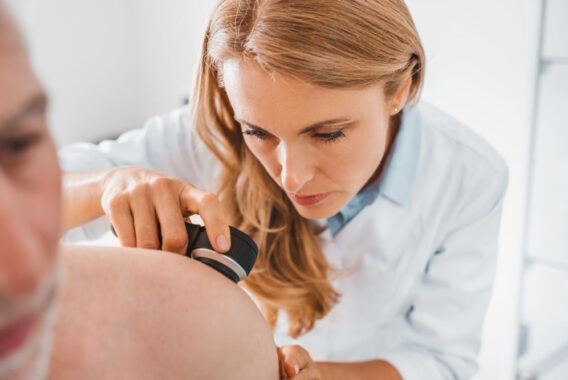
Top Signs of Skin Cancer That Convince People to See a Dermatologist
Your skin is your largest organ; it also happens to be an organ you can see. This means that if something is wrong, you'll likely be able to spot it. Early detection of skin cancer increases the...

The Best Questions to Ask Your Dermatologist About Eczema
Eczema is defined by the American Academy of Dermatology as inflamed, irritated, and often itchy skin. It is sometimes genetic and people are born predisposed to the condition. Other cases, like...
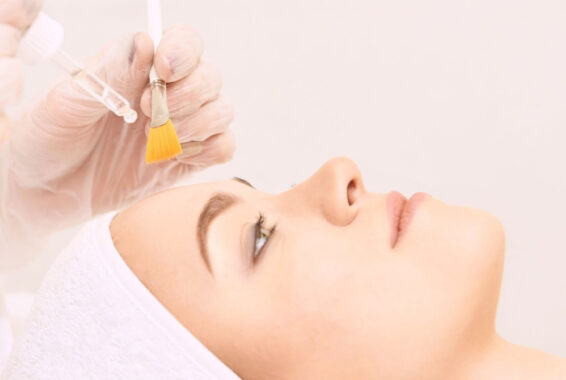
What Are the Potential Side Effects of Chemical Peels?
A chemical peel can be a great way to get the vibrant, glowing skin you've always wanted. Despite the fact that the American Society of Plastic Surgeons says chemical peels are usually very safe...
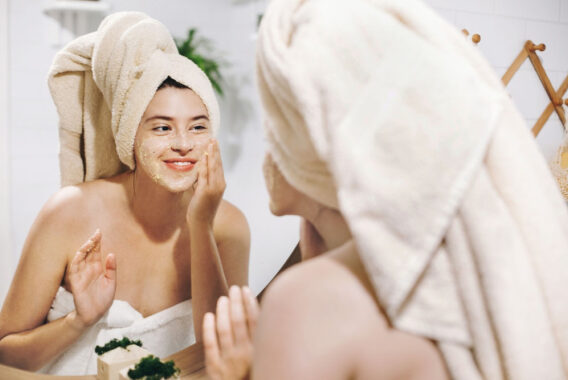
How Do You Exfoliate Your Skin?
Did you know that skin conditions affect every 1 in 3 Americans? Studies suggest that some skin conditions can be treated with a rigorous skincare routine to give you radiant skin. When you are...

What Lifestyle Changes Improve Acne?
Improving acne isn't just about ointments and cleansers. Everything from exercise to diet and sleep patterns plays a part. Unfortunately, there's no one-size-fits-all solution to acne. For a more...
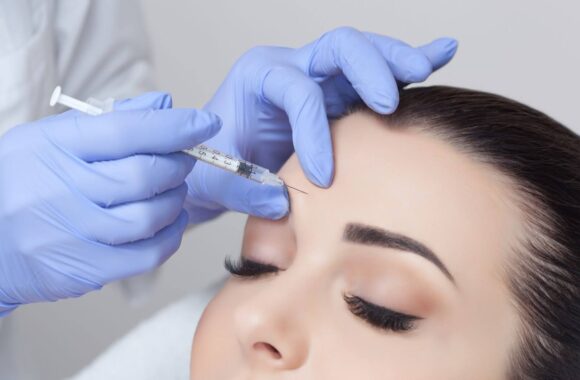
The Many Benefits of Botox Injections
Botox is used for many cosmetic and medical reasons. Botox is made from the bacteria that causes botulism, or food poisoning. This tends to give Botox a negative connotation when people think of...